
Mozilla Firefox
Crafting a Year-End Experience for 150M+ users to drive delight, engagement and product adoption
ROLE
Product Designer
TIMELINE
Sep 2024 - April 2025
8 months
TEAM
2 UX Managers
1 UX Researcher
1 Data Engineer
2 UX/Product Designers
ABOUT
Firefox is a free, open-source web browser developed by the Mozilla Foundation, focused on user privacy, security, and customizability.
tools


Responsibilities
Led the end-to-end redesign, focusing on improving the user experience of the forensic search workflow(reviewing security footage) and drive product metrics.
Led the end-to-end redesign, focusing on improving the user experience of the forensic search workflow(reviewing security footage) and drive product metrics.
Collaborated with product managers to align on product strategy, with engineers to maintain technical feasibility and with other designers to conduct design reviews.
PROBLEM
The Holiday Season Problem
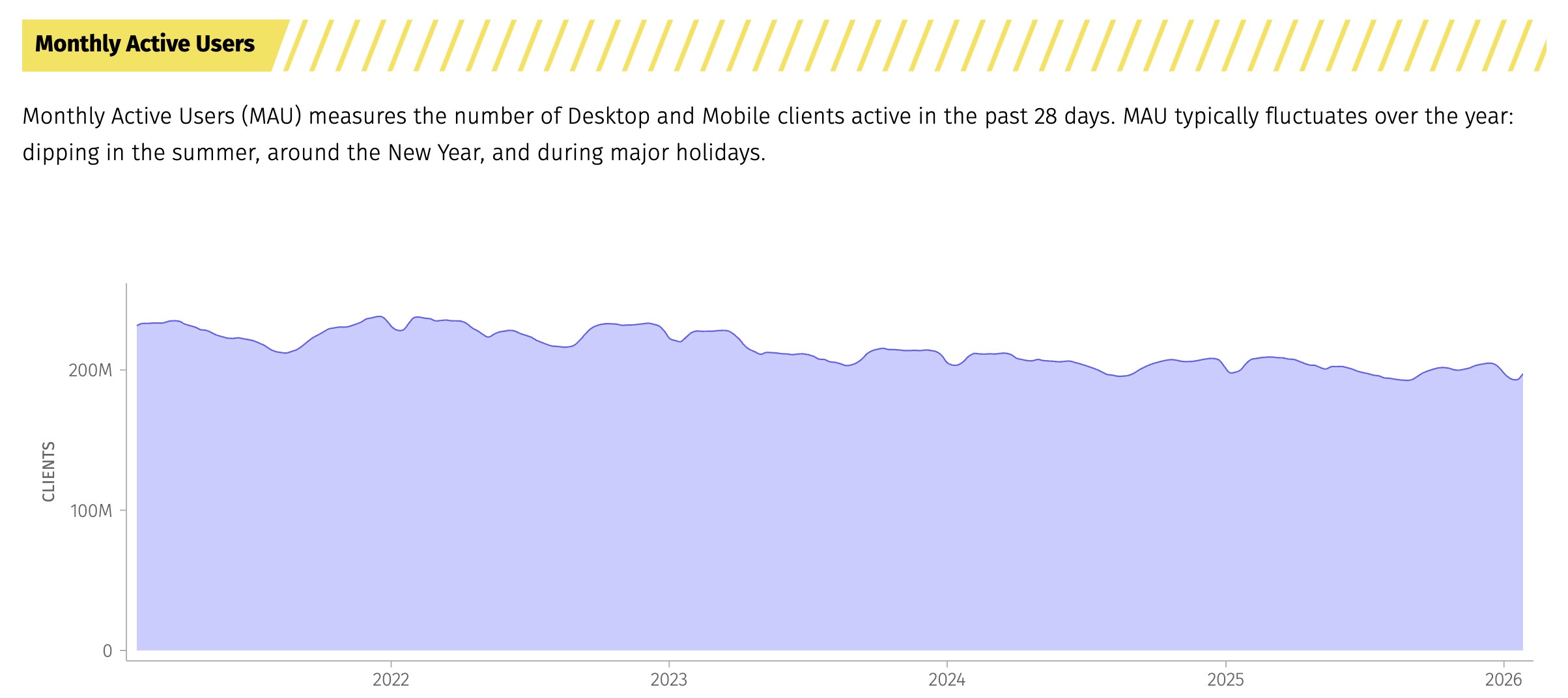
Firefox’s Daily and Monthly Active Users historically decline during the holiday season and fail to rebound as many users upgrade to new devices (device migration) and default to pre-installed browsers. This drives user churn and slows Firefox platform adoption.
Business GOAL
How might we design a year-in-review experience that prompts users to continue using Firefox during device migration and serve as an organic acquisition channel for new users?
Year-in-review experiences have a proven flywheel. Spotify Wrapped and Strava have shown huge viral potential and user engagement numbers.
We wanted to bring that same mechanic to Firefox. An experience personal enough to keep, shareable enough to spread, and private enough to trust, reinforcing the value Firefox provides while driving retention and brand affinity as a natural byproduct.
Solution
Introducing "Firefox Recap 2025"
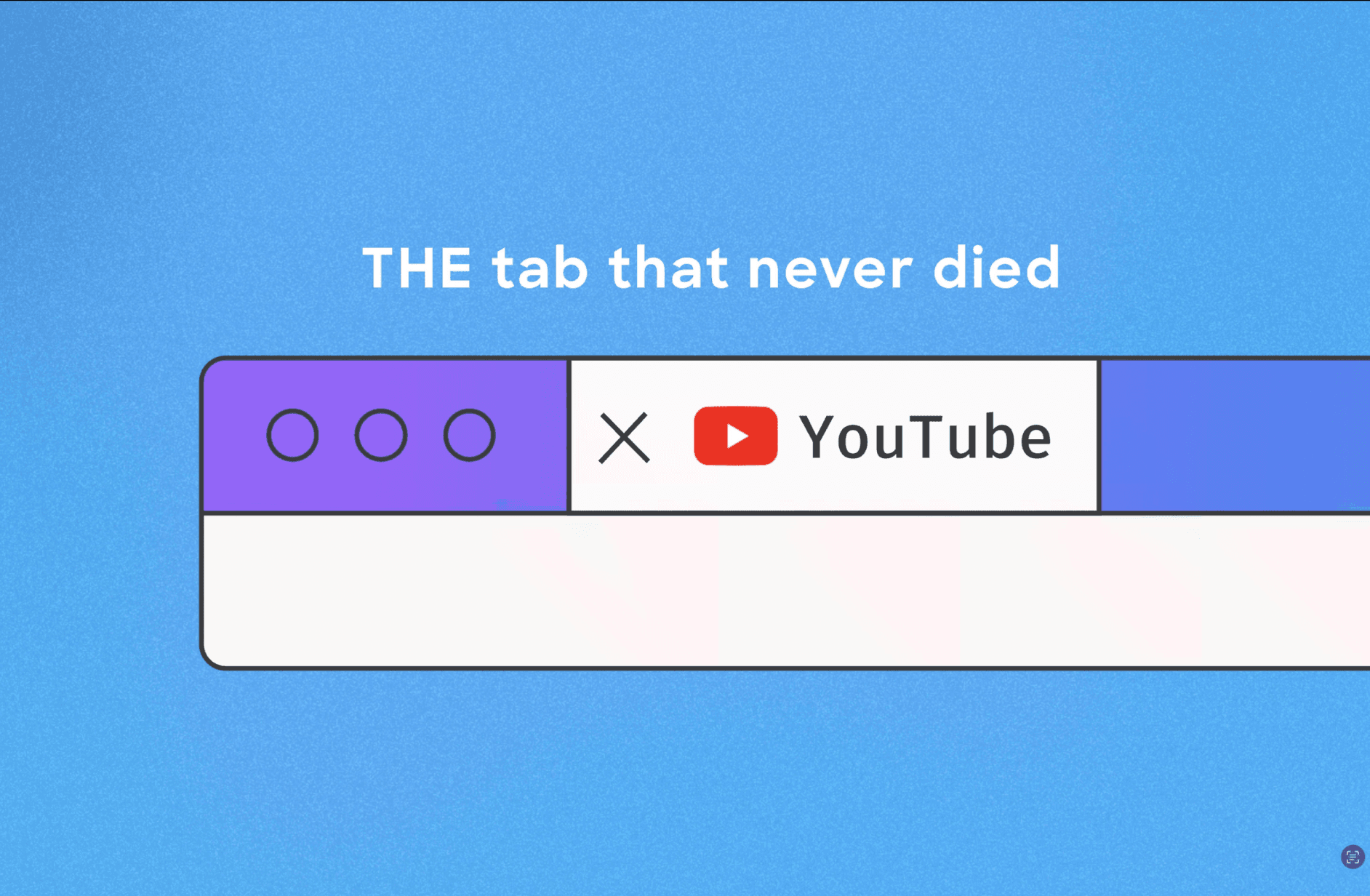
A personalized, year-end story of browsing highlights built entirely on local and on-device browsing history, ensuring user’s privacy while offering delightful and memorable visual insights into how you’ve used the browser throughout the year.
90%
User Satisfaction Score
4/5
Users showed likelihood to share
10 - 15%
Estimated engagement increase
Disclaimer : You are viewing the general version of the experience . Will be personalised on personal data on launch
CHALLENGE
Every brand who's done this well operates in a single domain (Spotify = Music, Strava = Fitness), whereas browsing has no one specific domain. It's everything a person does online on the internet, which makes both the opportunity and the risk exponentially larger.
Single-domain products get to assume their data is safe. Music taste? Share it. Running stats? Brag about it.
Browsing doesn't come with that assumption. The same data contains your proudest learning moments and your most private questions. Our challenge was also to make users feel known and celebrated without ever making them feel watched.
Design Approach
Year-end recaps aren't typical products but a storytelling experience that provides a venue for identity exploration and discovery.
After multiple ideation explorations, this idea reframed everything for us. It told us that we had to be a director that understood emotion and the experience should capture feelings instead of features . To enable this, our design approach focused on the following aspects:
Deciding what Data to Show and How?
Since we only had access to on-device browsing history for privacy concerns, I collaborated with UX managers to build a decision framework to navigate what data we could and couldn't include.
Safe to show:
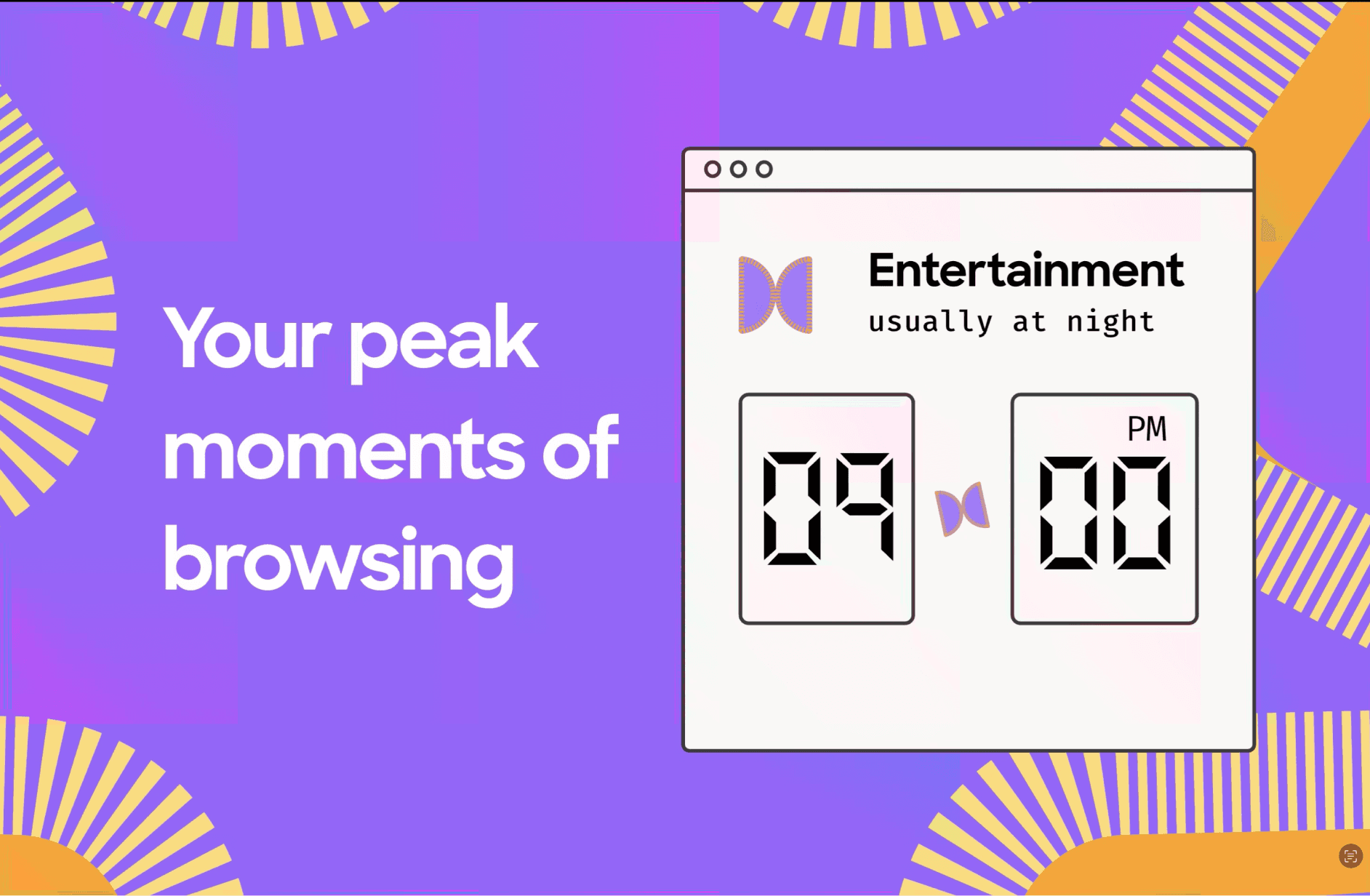
↳ Aggregate patterns (most-visited categories, peak browsing hours)
↳ Achievements and milestones (tabs opened, searches made)
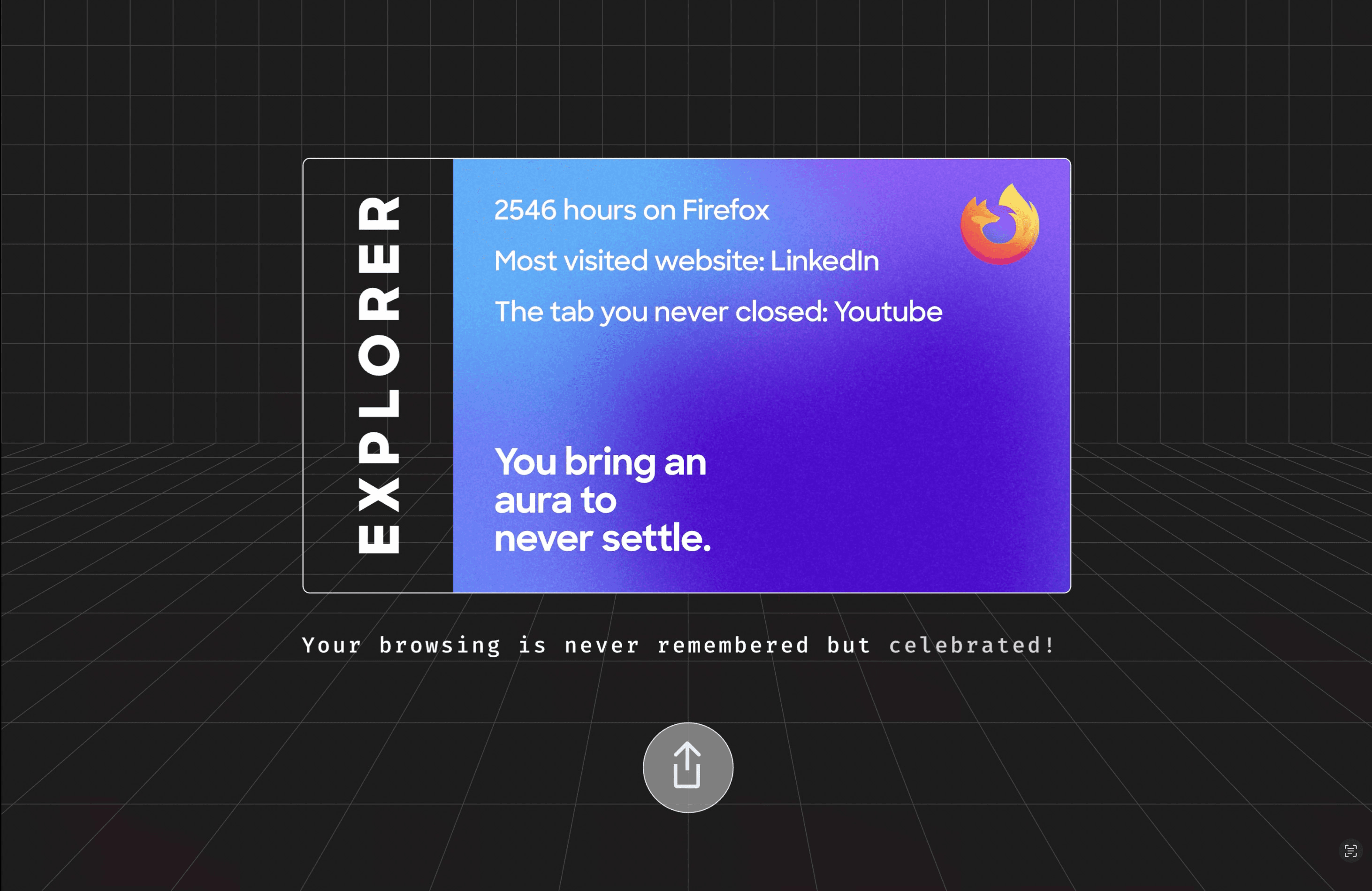
↳ Anonymized personality traits ("Night Owl," "Tab Hoarder")
Never Show:
↳ Specific URLs or page titles
↳ Financial or health-related data
↳ Anything that could embarrass or hurt sentiments
Enabling Storytelling
Data points are ingredients but stories are meals. The order you reveal information changes how it lands. A data story shown too early feels random. The same shown after buildup feels like payoff. So we mapped the experience to a narrative arc:
Achieving Personalization with Privacy
Research showed that personalization and relevance create meaningful experiences. So, tailoring content to users’ preferences and behaviors strengthens engagement and highlights the value of the product.
Defining the Visual Identity
Users have their unique identity and place on the internet. They've made memories and left their mark on this "Wall of Web". So we built a visual system around that idea: you are the center of your internet.
The design language combines:
Bold, expressive typography that feels confident
Abstract shapes representing Firefox's values and ethos
A color palette that pops on social feeds
Given our target audience included a significant Gen Z demographic, we focused on visuals that were clear, striking, and aligned with the energetic tone this group responds to.
Copywriting and Visuals should go together
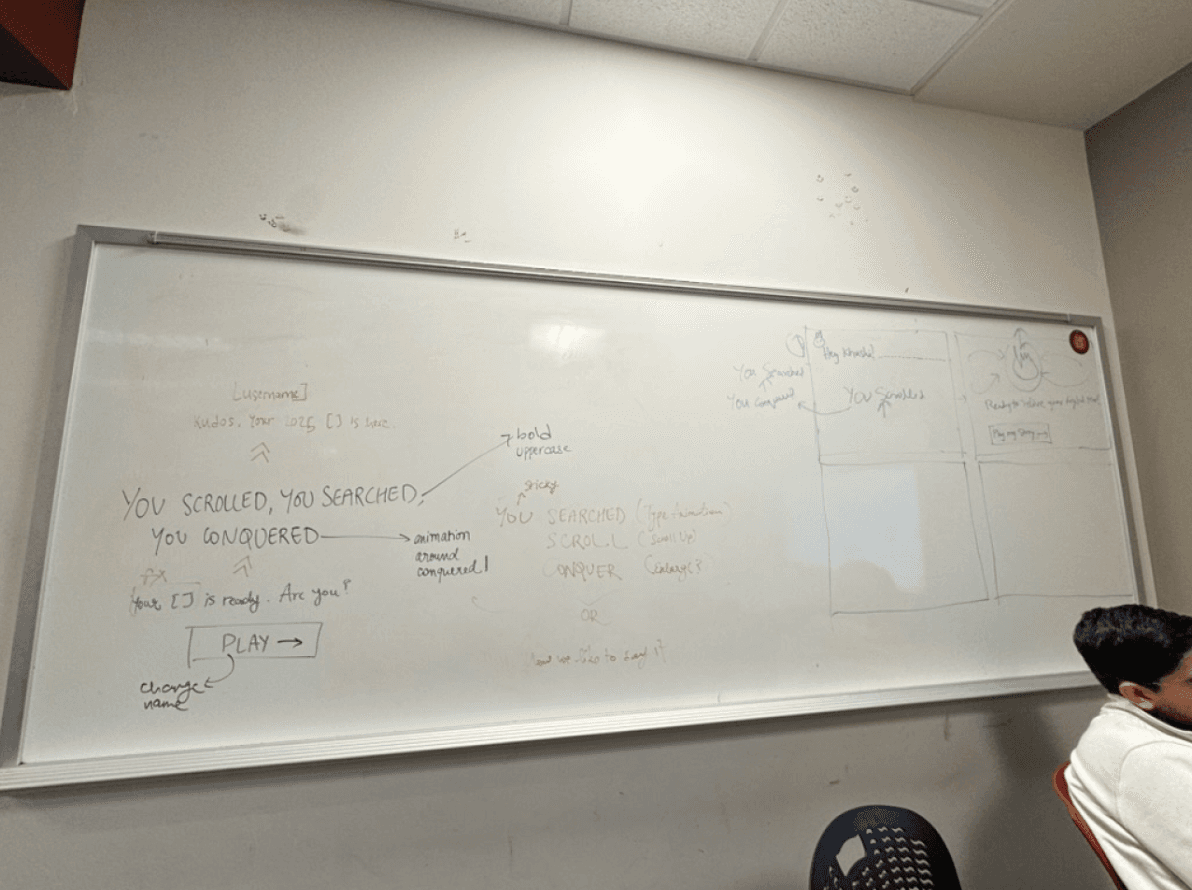
Words and visuals aren't separate layers, they're one system. Early on, we made the mistake of writing copy in isolation. When they compete, the experience feels cluttered but when they're choreographed, they amplify each other.
Crafted compelling narratives with a balanced tone, using humor, metaphors, and shareable phrases to evoke positive emotions like joy, pride, celebration and excitement.
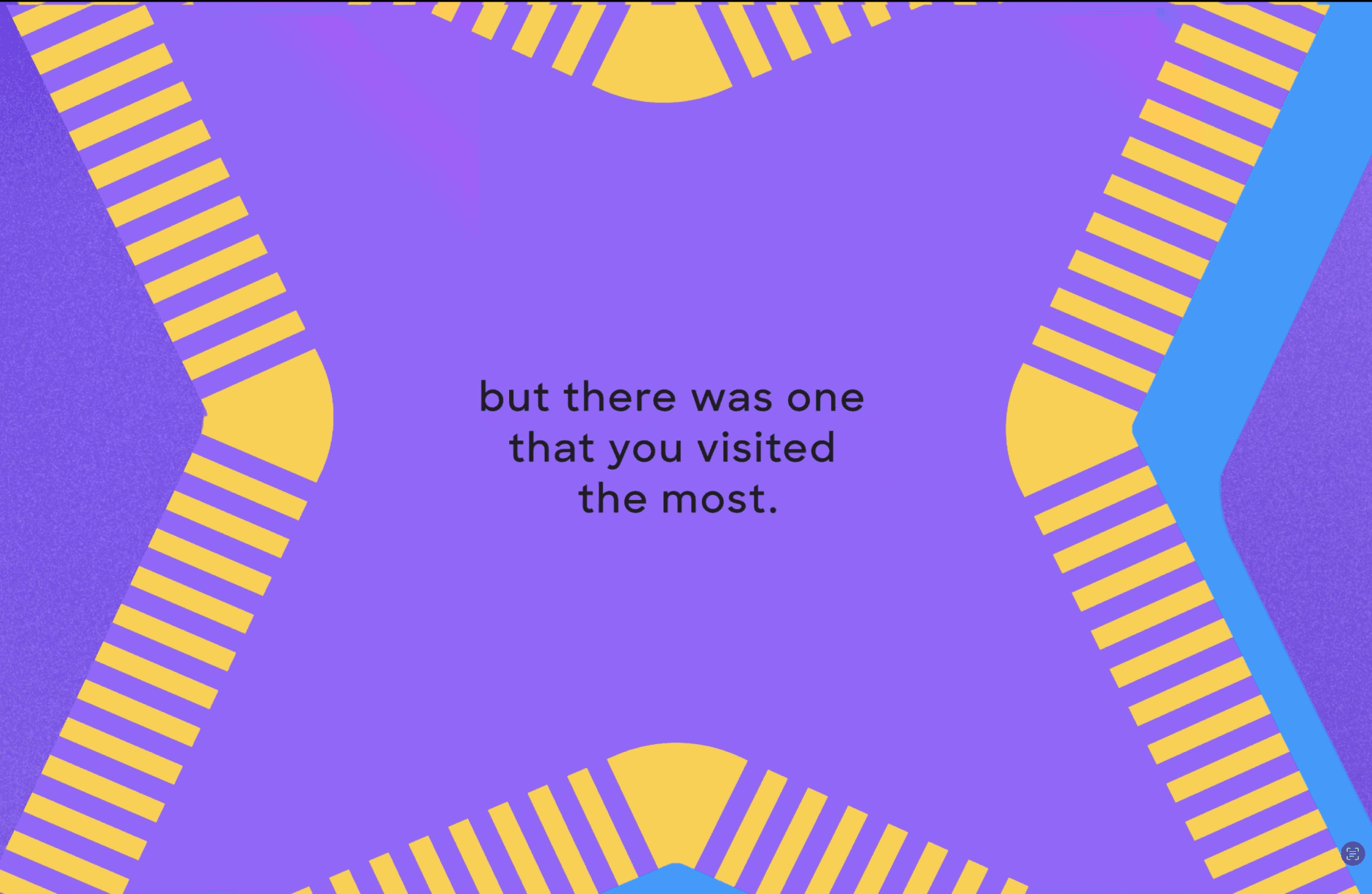
Motion as Meaning
I approached motion as a storytelling tool. Each transition was designed to feel:
Fluid — no jarring cuts and timing that doesn't loose attention
Intentional — movement that guides attention
Emotionally aligned — pacing that matches the content's energy
I prototyped transitions, experimented with easing curves, and refined micro-interactions to create a smooth rhythm throughout the 2:30 experience. This allowed us to rapidly test narrative sequencing and emotional impact before handing off to development.
Testing and IMPACT
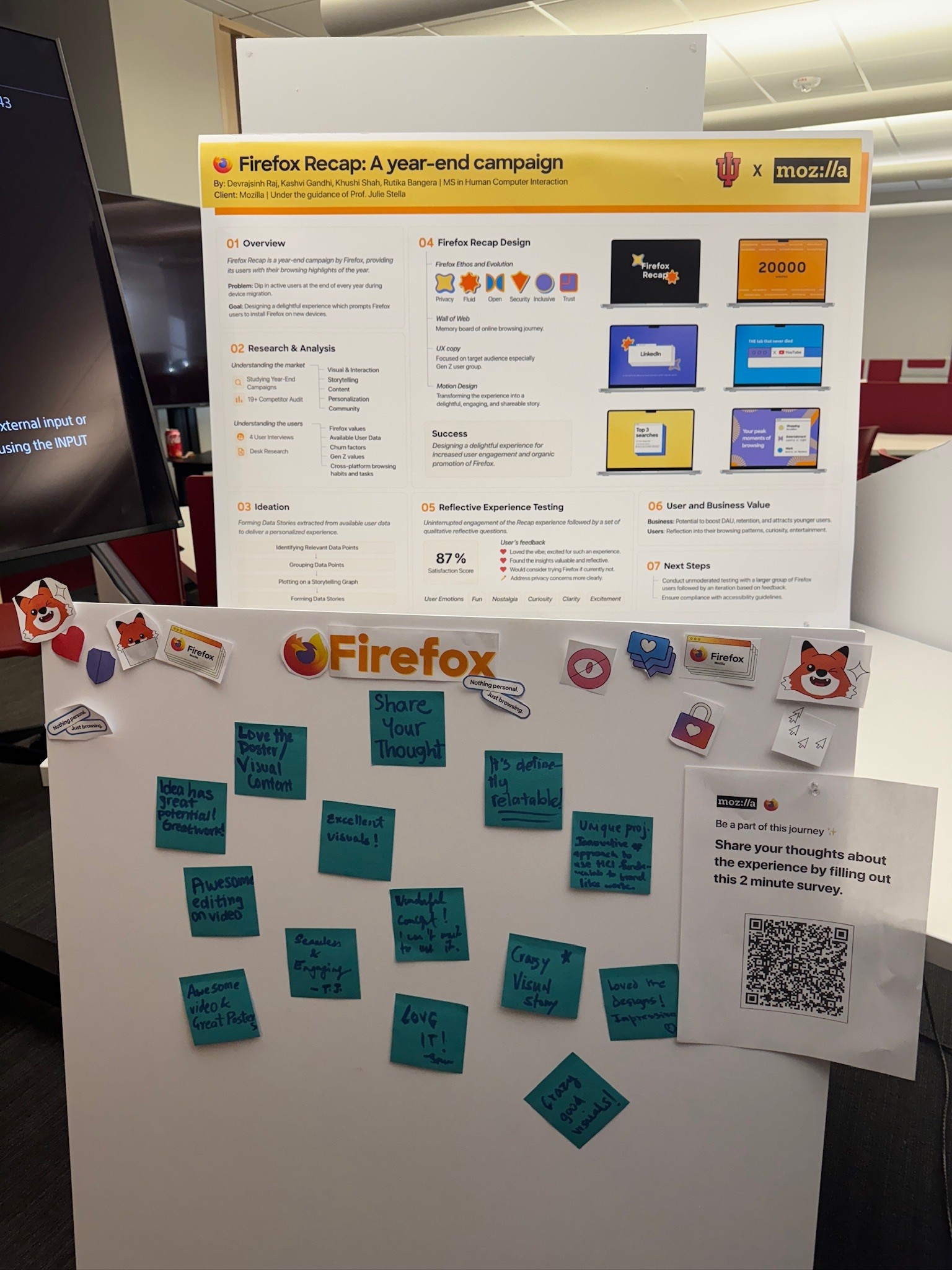
We tested for three things: What emotions does this generate? Does this feel safe? Does this make someone want to share?
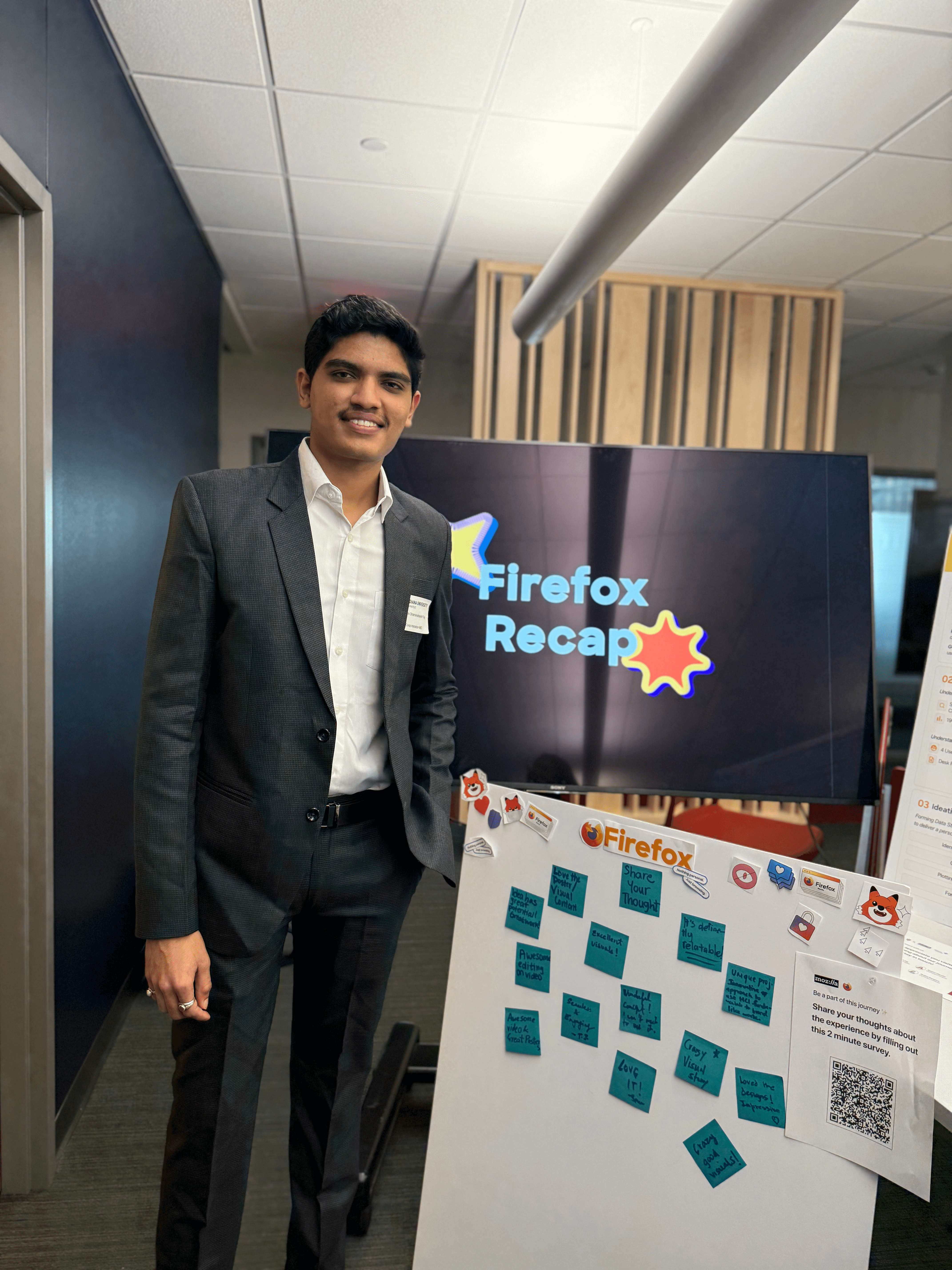
To validate the experience, we conducted two complementary studies with 12 participants across Gen Z and Millennial demographics.
Reflective Experience Testing + Observational Survey (12 participants · Remote sessions)
Focused on emotional engagement and brand connection. Participants experienced the full 2:30 recap, then discussed their feelings in follow-up conversations Combined with structured surveys to capture both behavioral responses and quantitative feedback.

NEXT STEPS
We set the foundation but the experience needs to evolve to broader testing, accessibility, engineering coordination which will turn it into a more refined experience ready for 140 million users.
REFLECTIOn
Storytelling is structured emotion
Great product storytelling combines emotional tone with narrative structure, sequencing data into themed moments and using visuals, motion, and copy to guide users through a cohesive journey.
Learned to let go of my ideas and hold onto the vision.
Early concepts I loved didn't survive. Copy I thought was clever fell flat. The visual direction I pushed hardest got pulled back. Every time I let go, the work got better. Working across disciplines like content, engineering, product taught me that collaboration isn't about consensus. It's about everyone understanding why and what suits the experience better.